The Online Clay Sculpting Tools Guide: From Starter Kit to Master’s Bench
The clay sculpting tools guide: Prestige bone china production requires certain specific tools and disciplines.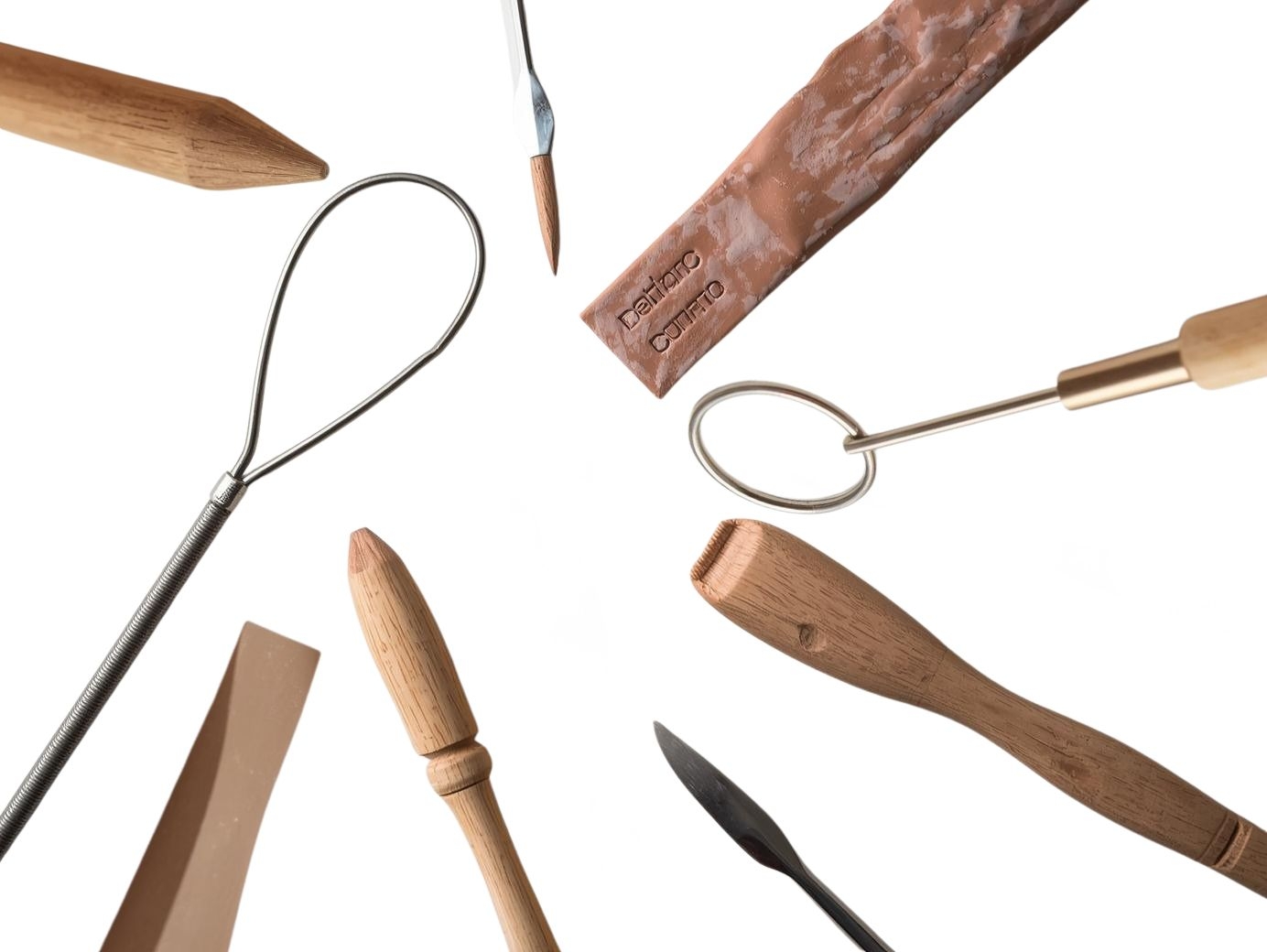
Introduction
Clay sculpting tools are extensions of the sculptor’s hands; used well, they turn a stubborn lump of cold sloppy clay into a convincing figurine and, eventually, into a bone china collectible, or a bronze figure. In my experience of teaching and professional work, the difference between a hesitant beginner and a confident professional is rarely “talent” alone, it is knowing which clay sculpting tools to reach for, when, and how to use them.
This guide distills decades of tool work on master sculptures for Royal Worcester, Coalport and Royal Doulton into one practical page. It covers everything from a simple starter set of tools for sculpting to the refined modelling clay sculpting tools used for faces, folds and fine detail in factory-grade bone china figurines.
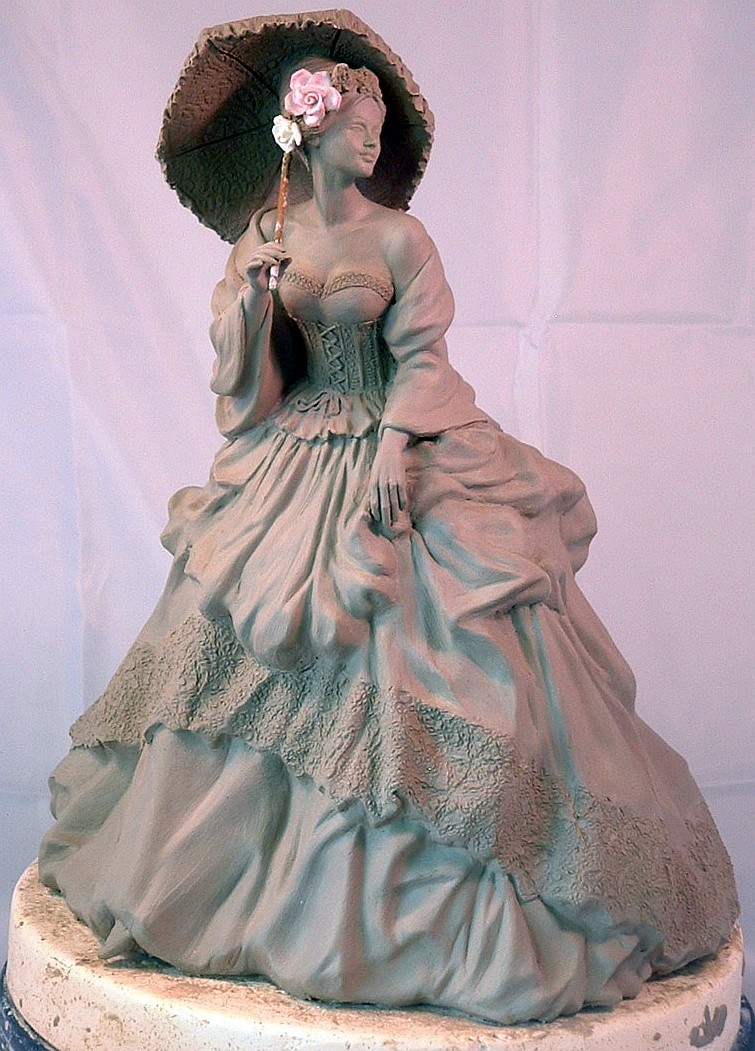
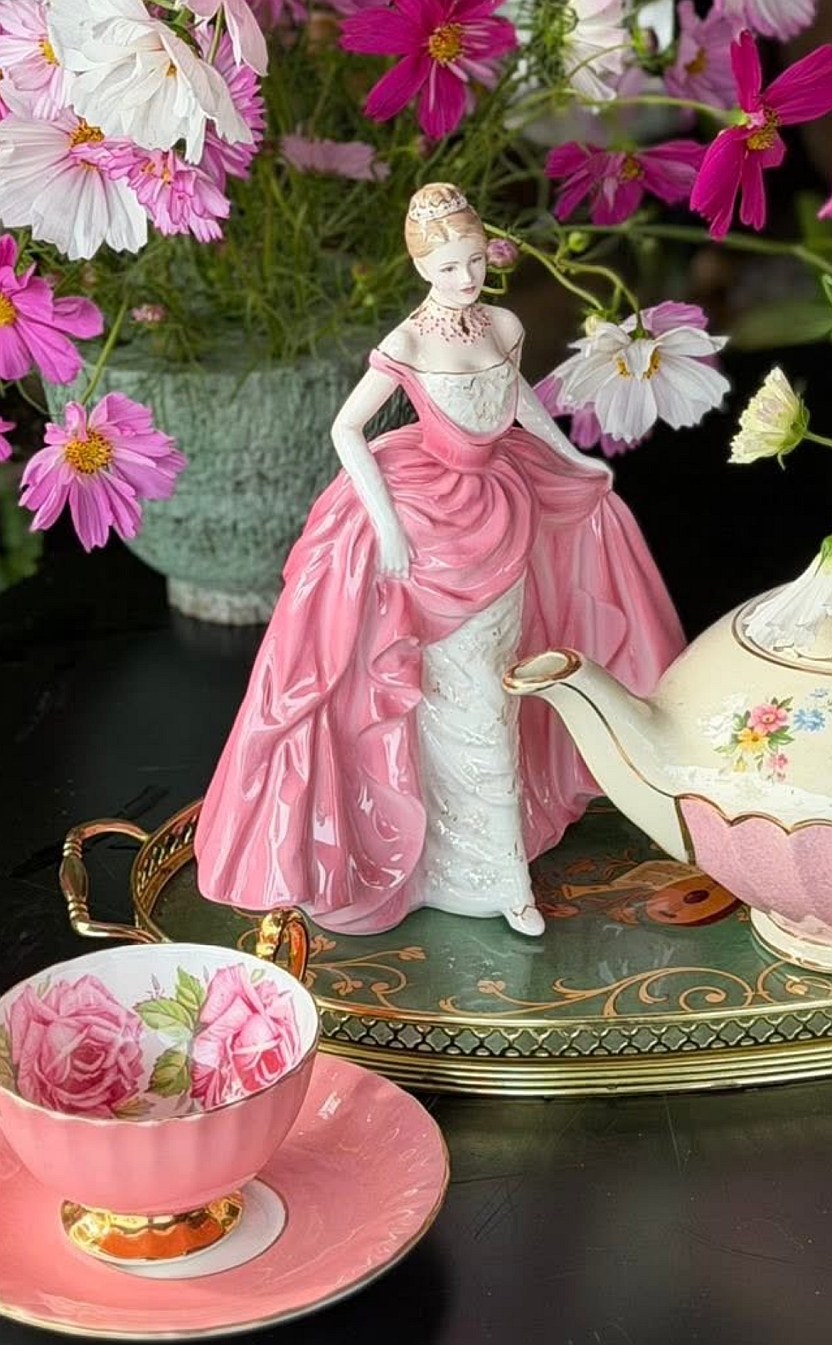 The fine detail in factory-grade bone china figurines comes from the simple tools shown on this page
(Note: This modeling clay sculpting tools guide is distinct from the core <strong>3-part Master Clay Sculpting Series</strong>, but is critical preparatory reading. The Master Series starts with concept and composition, then moves to structural integrity and factory work, and concludes with clay sculpture fine detailing. We refer back to these tools throughout.)
📋 Page Contents
- Choosing Tools That Match Your Goals
- The Essential Tools Starter Set
- Tools for Surface Control
- Master Tools: The Sculptor’s “Secret Weapons”
- Tool Use: Principles of Mastery
- Matching Tools to Sculpting Style
- Caring for Your Clay Sculpting Tools
- Tools and Collector Value
- Summary: Building Your Professional Toolkit
- Discover the Value of Your Fine China
Choosing Clay Sculpting Tools That Match Your Goals
Before loading up on gadgets, be clear about what you want to do:
- If you are learning how to make clay figures at home, you need a compact set of sculpting clay tools that are forgiving, easy to control, and versatile.
- If your ambition is to sculpt from clay at a professional level, especially figurative work, you will eventually need more specialised model sculpting tools for anatomy, drapery and miniature detail.
- A good toolkit grows in layers: start with a dozen reliable clay sculpting tools, then add master tools as your hands and eye demand more precision.
The Essential Clay Sculpting Tools Starter Set
For most beginners, and even many experienced modellers, the following core tools for sculpting will cover 80% of day-to-day work:
Wooden applicator / modelling stick

A simple double-ended wooden tool with a flat blade at one end and a rounded end at the other. Use it for:
- Adding and pressing on small amounts of clay
- Blending joins
- Blocking in basic facial planes and folds
Loop or ribbon tools

This thin wire clay modeling tool is for shaping and scraping fine detail especially delicate facial detail and flesh contours. Usage frequency: round end: often, square end: occasionally crucial.

There are many shapes and sizes of ribbon tool around ('ribbon' describes a flat cutting edge - this is NOT a thin wire tool). The only two ends I have ever used for figure modeling are these two - so I combined them into one tool - one angled, one curved. They take away medium sized slices of clay.
Typically steel loops on a handle, available in different sizes. These are key clay sculpting tools for:
- Removing clay cleanly
- Shaping thicker areas
- Refining shapes
Potter’s knife / scalpel
You need a sharp efficient knife to make clean cuts to parts when rearranging a pose or repositioning an arm or leg or for building in sections. People also use wire cutters for this, but this type of knife is for more awkward and inaccessible areas.
A sharp blade is essential for:
- Cutting clean edges
- Separating parts when building in sections
- Trimming excess clay accurately
Scraper / kidney tools

A lot of the initial shaping and application of clay is done with this type of modeling clay sculpting tool. A real work horse in the early stages using clay when it is softer and more pliable. Once the clay has hardened off the teeth can help define shapes.
These flexible metal or plastic shapes are used to:
- Shape large surfaces
- Establish flowing planes on garments and bases
A small wire cutter and needle tool
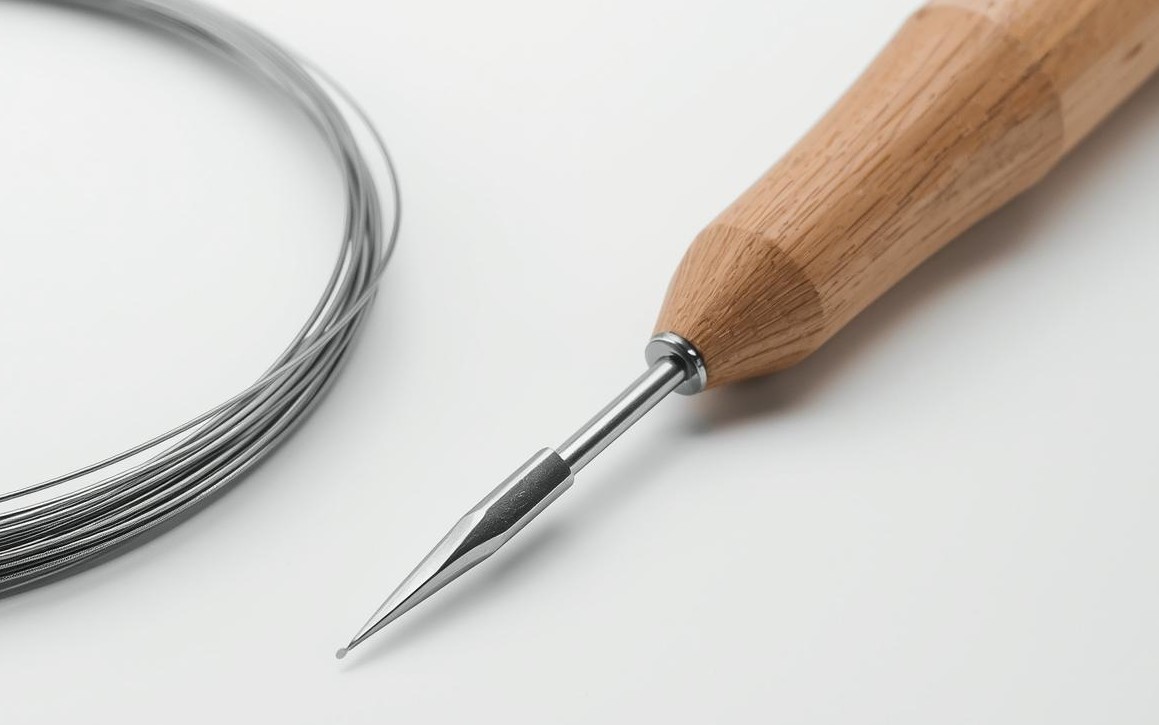
So, for me the cutting wires are good for doing the pose adjustment as I go from rough to the final characterisation of the figurine. I also use them to slice chinks of raw clay from the packaging in the early stages from a block of clay. The fine needle tool gets into spaces that need cutting but are inaccessible for the wire or knife. You also use this for scoring and rejoining.
Useful for:
- Cutting chunks from a block of clay
- Scoring for joins
- Marking guides for proportion and alignment
- Cutting a final piece of fine art work for hollowng (not applicable to factory slip casting figurines).
Unwritten rule from the studio: spend a little more on one excellent loop, one reliable applicator and one good knife. You will use them constantly, and they will teach your hands faster than a drawer full of novelty tools from the discount store.
Clay Sculpting Tools for Surface Control
Once basic shaping is complete, you need tools for surface refinement:
Sponges
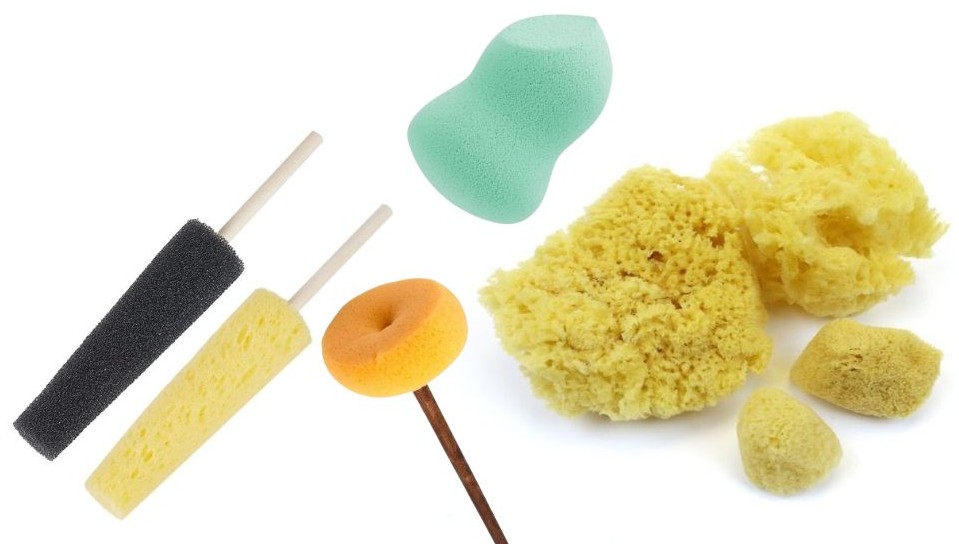
With the composition officially locked down, meaning we have finished all structural adjustments to the pose and form, we can finally move into the finishing details. The first critical job is to eliminate the tool marks and the general roughness left on the surface using a simple sponge.
Working systematically from top to toe, take a small sponge and a large bowl of water. Gently and steadily smooth out all tool marks and unevenness. This process requires a light touch and adherence to a few key rules:
Control the Dampness: This is vital. You must squeeze out all excess water. If the work becomes over-saturated, the clay will quickly turn slushy and lose definition, ruining the structure you just established. Cleanliness is Key: Wring out the sponge frequently to remove the clay residue that builds up. Protect Detail: Do not use the sponge on delicate areas like the face or intricately modeled hands. These zones are saved exclusively for the much finer brushing stage. Comfort: Use tepid or warm water; cold water is not pleasant to work with during long modeling sessions.
You honestly do not need a specialist sponge; I have successfully used everything from natural sponges bought at art shops to old, clean bathroom sponges. The only requirement is that the sponge must not disintegrate and leave particles embedded in your clay. While I know many pottery suppliers sell smoothing sponges on sticks, and they are useful, i use these quite a lot - but just be cautious that you do not press too hard and unintentionally knock back the underlying form with the hard stick hidden beneath the surface.
Household or potter’s sponges, well wrung-out, are used to:
- Remove tool chatter
- Soften transitions
- Prepare the surface for brush finishing and final detailing
Brushes
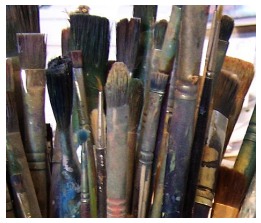
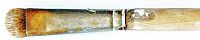

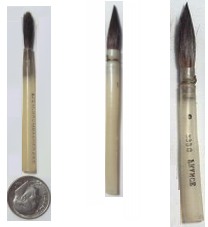 Working down through the sizes of small quill handled sable brushes as we go smaller and more refined on detail
A small selection of soft and medium brushes is indispensable:
- Medium brush for smoothing tight corners and transitions
- Soft sable brushes with short quill handles for final surface refinement in delicate areas. As the areas get smaller, the brushes get progressively smaller - until the smallest foe the facial features if tiny.
Serrated edge steel scraper tools (the workhorse tools)

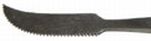 This is my most used tool for nuance of shapes, flows and poses once the rough is established as the final composition
Forged Steel Pottery Tool Ref (B15) - A scraper with a claw shaped end with finely serrated edges. A shaped end finely serrated edge steel scraper tool. It is in the same ball park as a classic sculptor's riffler, but it's not a riffler). I use it extensively as my main tool, as it shapes flow and helps clean up the rough prototype. Once the final composition is decided upon, I go to work with this tool. It does all the modeling grunt work. It also doubles as a useful and neat cutter.
For:
- Does all the modeling grunt work
- Cleaning up tight areas between limbs
- Sharpening edges of folds or base details

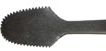 The round scraper tool takes over from the curved scraper in areas that are too restricted for that main tool
The finer end of the round serrated edge scraper tool takes over from the curved (claw) serrated scraper in areas that are too restricted for that main tool. It gets to the parts the curve claw edge can't. Apart from that, similar in use to the claw scraper apart from the fact its not so nimble used as a cutter.
These are not glamorous, but they are crucial clay sculpting tools. Collectors run their eye over the flow of composition and surfaces long before they notice which tool you used.
Master Tools: The Sculptor’s “Secret Weapons”
As your skill grows, a sculptor will naturally reach for more specialised sculpting clay tools. These are what I think of as “master tools”; simple in appearance, but powerful when used correctly.
Customised Wooden Applicators
Most of my favourite tools began life as dowel, brush handles or coffee stirrers, reshaped and sanded to exactly the profiles I need. They are perfect modeling clay sculpting tools for:
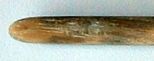
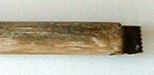
Handmade modeling clay sculpting tools: "A man who does not make his own tools does not make his own art." Michelangelo
This tool is made from a length of dowelling and part of a hacksaw blade.
One end is flattened (not too fat & not too thin) then rounded off and used for applying and blending clay. This is my most used applicator tool in this second phase of the sculpt.
The serrated end is used mainly for gentle fine tuning of facial contours. It is hard to explain every important application in this clay sculpture tutorial, but I always find a female face needs gently caressing with this end of this tool.
- Eyelids and eye sockets
- Nostrils and mouth corners
- Fine fabric transitions
This is where “modelling clay sculpting tools” stops being a catalogue phrase and becomes personal craftsmanship.
Dental Picks and Fine Steel Tools
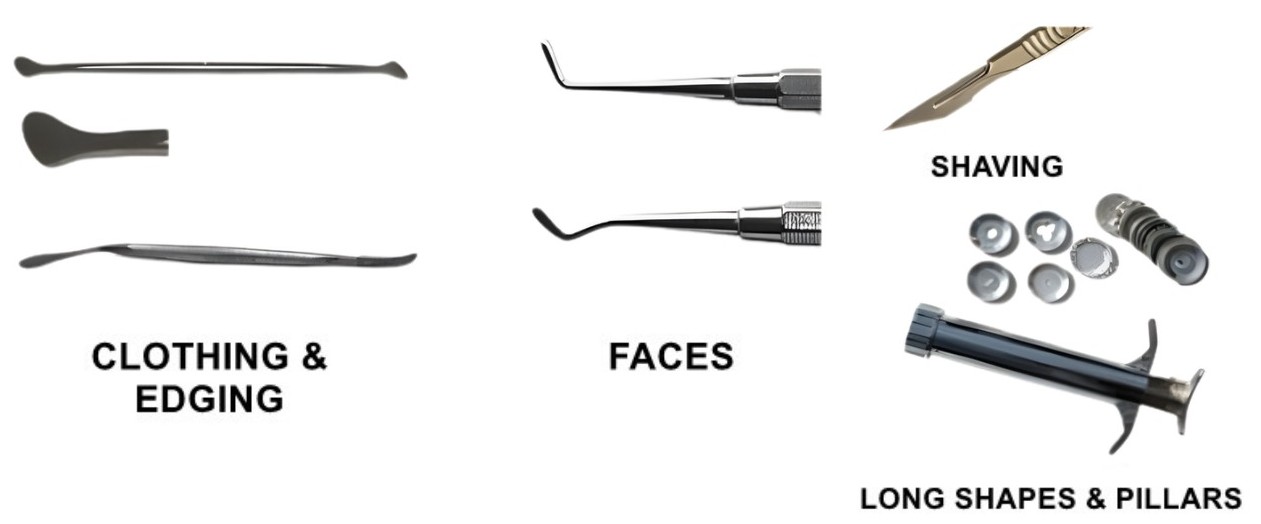
Dental tools:- loops, hooks and small spoons, are invaluable for figurative work:
- Carving smile lines and subtle creases
- Under-cutting around lips or eyelids
- Cleaning up around fingernails or jewellery
Use them with restraint. Fine steel tools in clumsy hands can ruin surfaces faster than anything else in your clay sculpting tools roll.
Modeling Clay Sculpting Tools Use: Principles That Separate Hobby from Mastery


Regardless of how many clay sculpting tools you own, quality comes from how you use them. A few studio rules:
Let the tool do the work
Do not stab or gouge. Use the curve, edge or spring of the tool to work with the clay, not against it.
Work from big to small
Use broader sculpting clay tools first:- large loops, kidneys and applicators, to establish form. Only then do you bring in tiny model sculpting tools for nostrils, eyelids or embroidery.
Keep tools clean and edges honest
Wipe tools often. A loop clogged with dry clay will not cut cleanly. A dull knife crushes edges rather than defining them.
Match modeling clay sculpting tools to clay stage
Softer clay suits broader, more flexible tools. As it firms up, bring in sharper, smaller tools to cut and refine without dragging.
These habits are what make the same basic tools for sculpting produce completely different results in different hands.
Matching Clay Sculpting Tools to Sculpting Style
Different goals suggest different emphasis in your toolkit:
Character Figures & Portraits
More emphasis on fine dental tools, tiny applicators, and soft brushes. You need precise control in eyes, mouths and subtle facial planes.
Flowing Gowns, Dancers, Angels
More emphasis on wider loops, scrapers, and flexible ribs. Tools should help you create sweeping folds and convincing fabric weight.
Highly Decorative & Patterned Work
Add pressing tools, texture stamps and sprig moulds. Many pattern tools started as lace, mesh or doilies embedded in resin.
Caring for Your Clay Sculpting Tools
- Clean as you go: Wipe tools on a damp cloth during sessions, not just at the end. Dried clay is much harder to remove.
- Protect wooden handles and custom modeling clay sculpting tools: Don’t soak wooden tools. Wipe and dry them quickly; occasional light sanding and a touch of oil will keep them smooth.
- Keep sharp tools sharp: A quick touch on fine abrasive paper or a strop keeps knives and some steel tools cutting cleanly.
- Store intelligently: Use a roll or box that keeps delicate tips from being crushed. Master tools, especially customised ones, are not easily replaced.
A small, well-cared-for roll of modelling clay sculpting tools is worth far more than a drawer full of rusty, anonymous metal.
Clay Sculpting Tools and Collector Value
You might wonder what any of this has to do with collectors. In reality, every tool choice leaves a signature.
Collectors who study figurines closely can often tell:
- When broad tools were used intelligently, forms feel confident and intentional.
- When tiny modeling clay sculpting tools were overused, surfaces look scratchy, over-busy, or nervous.
- When soft brushes and careful finishing were employed, faces, hands and folds have a quiet clarity that reads across a room.
In my own work for British factories, the tools chosen for each stage were always selected with the end collector in mind. Because of that, tools for sculpting and tools for judging sculpture are two sides of the same coin.
Summary: Building Your Own Professional Toolkit
To assemble an effective clay sculpting tools collection:
- Start with a focused set of essential sculpting clay tools.
- Add specialised model sculpting tools as your projects demand more precision.
- Customise and care for your tools, they will repay you in control and consistency.
- Always let process lead: big forms first, then surfaces, then fine detail.
The right modeling clay sculpting tools, used in the right order, help every sculpt from clay move more smoothly from rough block to finished figure.
Discover the Value of Your Fine China
Ready to apply your knowledge to your collection? Learn how manufacturing processes impact valuation in our exclusive guide - fill in the form below.